AML in the Jewellery & Gold Sector in UAE
The UAE is globally recognized as a leading hub for the trade of gold, precious metals, and jewellery. With its strong international connections, free zones, and vibrant retail markets, the sector contributes significantly to the national economy. However, these very characteristics also make it vulnerable to money laundering (ML) and terrorist financing (TF) activities.
To counter these risks, the UAE government has implemented strict Anti-Money Laundering (AML) and Counter-Terrorism Financing (CTF) requirements for businesses operating in the jewellery and gold trade. These entities fall under the category of Designated Non-Financial Businesses and Professions (DNFBPs) and are regulated by the Ministry of Economy (MOE) and other competent authorities.
At Sheikh Anwar Accounting & Auditing LLC (MOE Approved Auditor – Entry No. 5817, Dubai, UAE), we provide specialized AML advisory for jewellery and gold traders, ensuring they meet every compliance obligation while safeguarding their reputation and business continuity.
________________________________________
Why the Jewellery & Gold Sector is High-Risk
The jewellery and gold industry is highly cash-intensive and globally connected, making it attractive to money launderers. Common risks include:
• Large cash transactions without clear documentation.
• Cross-border trade of gold with opaque supply chains.
• Use of third parties or shell companies to disguise ownership.
• Transactions with politically exposed persons (PEPs) or clients from high-risk jurisdictions.
• Rapid buying and reselling of gold to obscure the origin of funds.
________________________________________
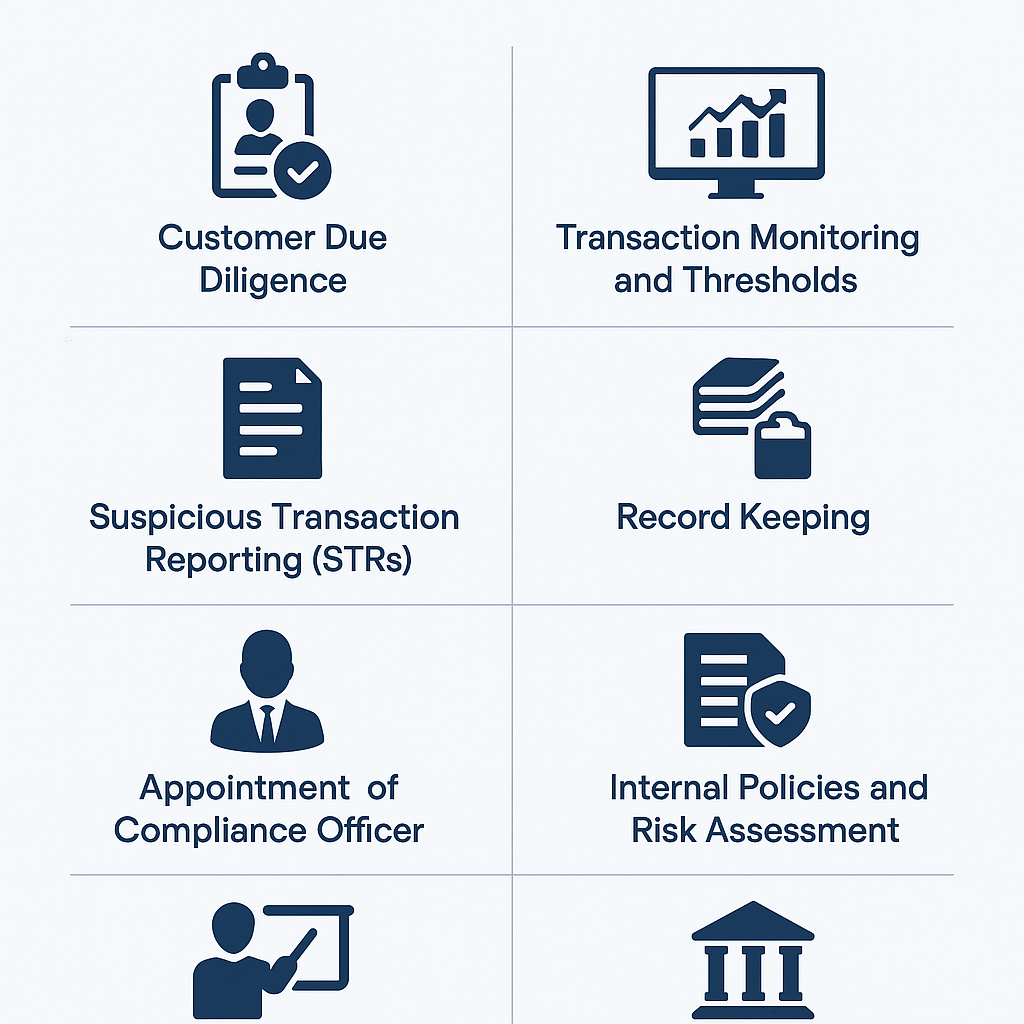
Key AML Obligations for Jewellery & Gold Sector in the UAE
1. Customer Due Diligence (CDD) and Enhanced Due Diligence (EDD)
• Verify identity of all customers purchasing jewellery, gold, or precious metals.
• Collect valid identification (Emirates ID, passport, trade license).
• Identify beneficial owners in the case of corporate clients.
• Apply EDD for PEPs and customers from high-risk countries.
________________________________________
2. Transaction Monitoring and Thresholds
• Closely monitor cash transactions of AED 55,000 or above, which must be reported to the goAML system.
• Flag unusual transaction patterns such as frequent bulk purchases, large-value payments from unknown sources, or structured transactions below the reporting threshold.
________________________________________
3. Suspicious Transaction Reporting (STRs)
• File Suspicious Transaction Reports (STRs) to the Financial Intelligence Unit (FIU) through the goAML portal.
• Examples of suspicious activity:
o A client insisting on cash payment for a high-value purchase.
o Transactions inconsistent with a customer’s known profile.
o Use of intermediaries to complete deals.
________________________________________
4. Record Keeping
• Maintain records of CDD, invoices, payment details, and internal reports for at least five years.
• Ensure records are accessible for inspections by the Ministry of Economy or other regulators.
________________________________________
5. Appointment of Compliance Officer (MLRO)
• Designate a Money Laundering Reporting Officer (MLRO) who oversees AML compliance.
• Responsibilities include:
o Reviewing suspicious cases.
o Reporting to FIU.
o Coordinating training and internal AML audits.
________________________________________
6. Internal Policies and Risk Assessment
• Establish written AML policies covering client onboarding, transaction thresholds, sanctions screening, and escalation procedures.
• Conduct business-wide risk assessments to identify vulnerabilities in cash handling, supplier relationships, and international trade channels.
________________________________________
7. Staff Training and Awareness
• Regularly train sales staff, managers, and accountants to recognize red flags such as:
o Customers reluctant to provide identification.
o Transactions with unusual structuring.
o Sudden bulk purchases inconsistent with normal activity.
• Provide refreshers to align staff with updated regulations.
________________________________________
8. Regulatory Oversight and Penalties
The Ministry of Economy (MOE) actively monitors jewellery and gold businesses for AML compliance. Penalties for non-compliance include:
• Fines up to AED 5 million.
• Business license suspension or cancellation.
• Criminal liability for managers and owners.
________________________________________
Conclusion
AML compliance in the jewellery and gold sector is not optional; it is a legal obligation and a business necessity. With the UAE’s strong stance on financial integrity and its alignment with FATF (Financial Action Task Force) standards, businesses in this sector must adopt robust AML measures.
At Sheikh Anwar Accounting & Auditing LLC, we provide comprehensive AML services tailored to the gold and jewellery industry, including:
• AML policy drafting and implementation.
• Customer and transaction risk assessments.
• Outsourced MLRO services.
• AML staff training programs.
• Support during Ministry of Economy inspections.
📌 Visit us at www.sa-auditors.com to learn how we can help your jewellery or gold business remain compliant and protected.